Case Study
Gouin
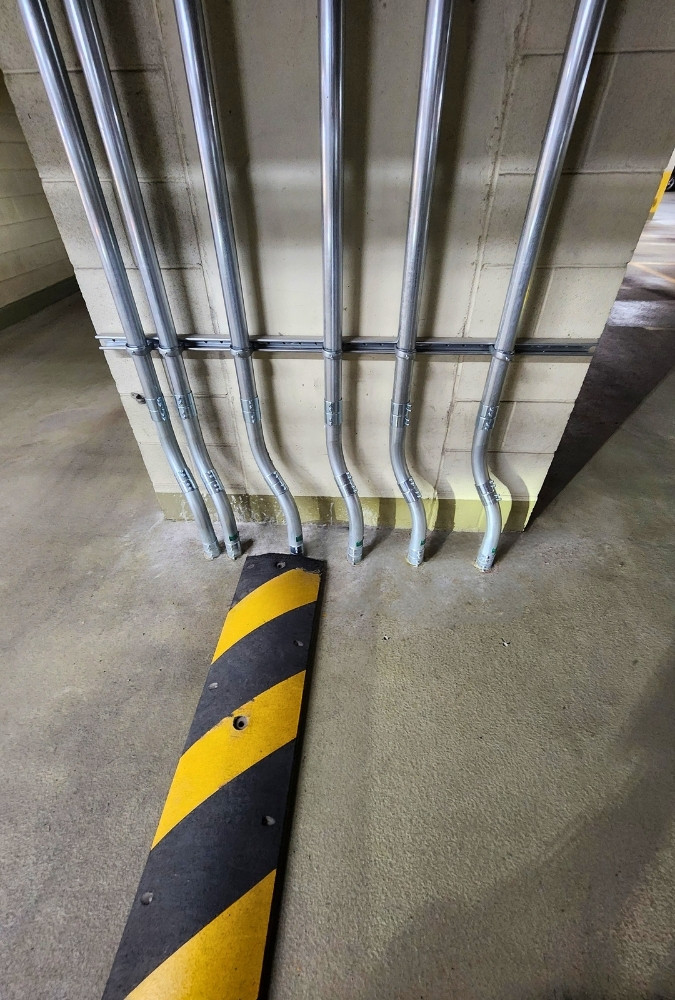
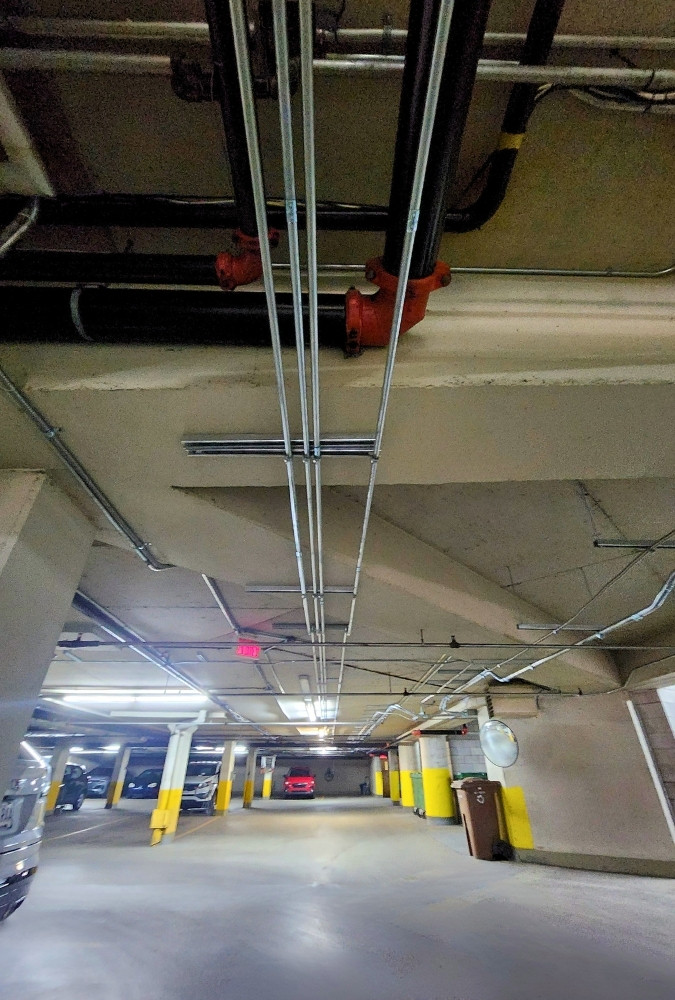
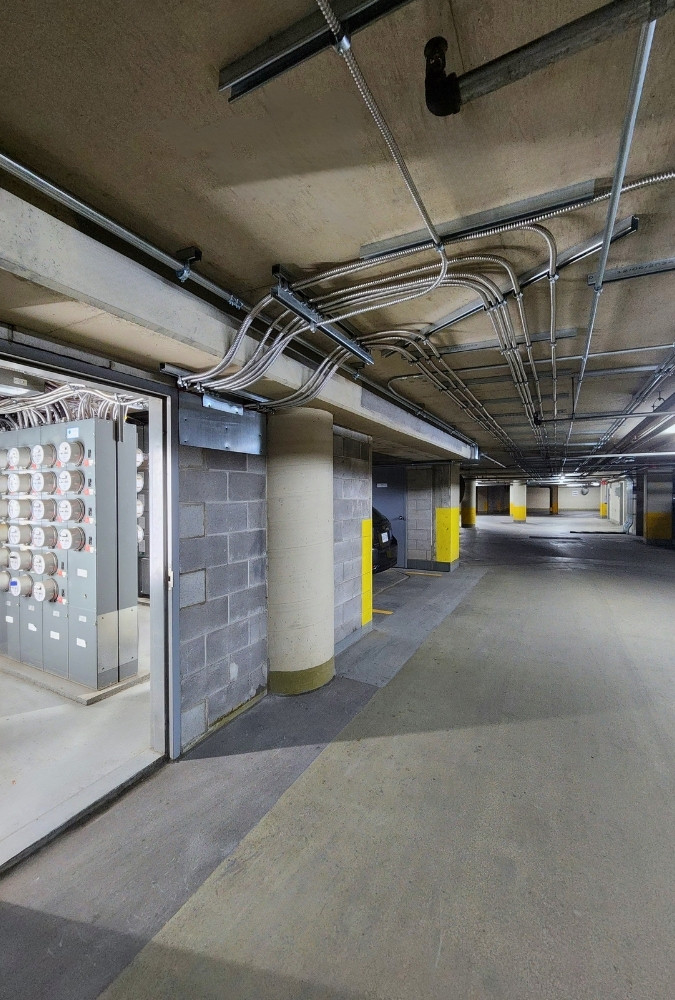
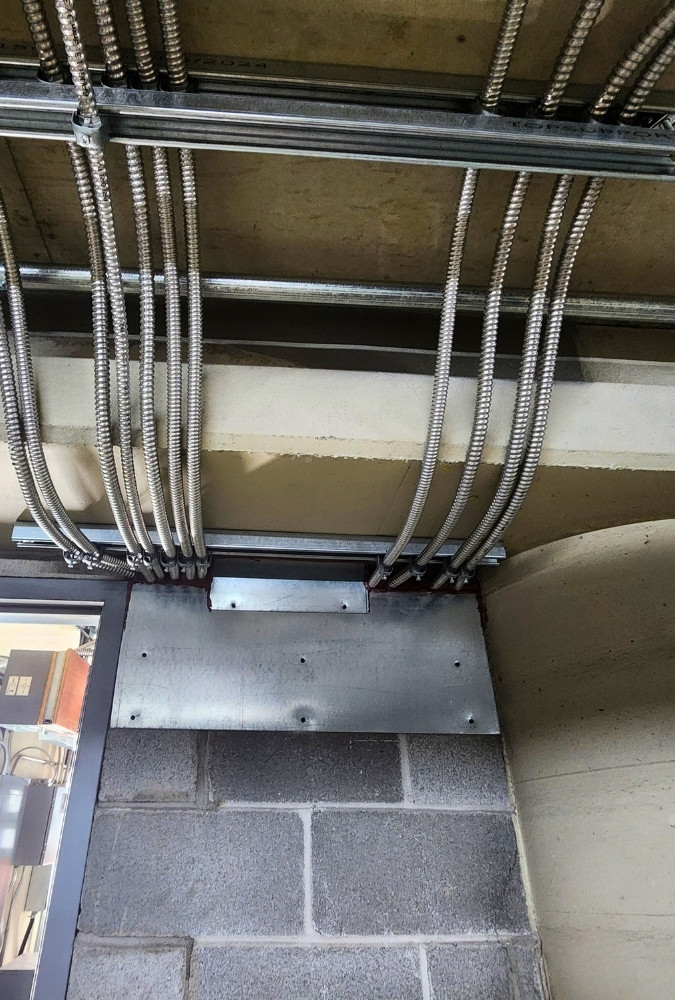
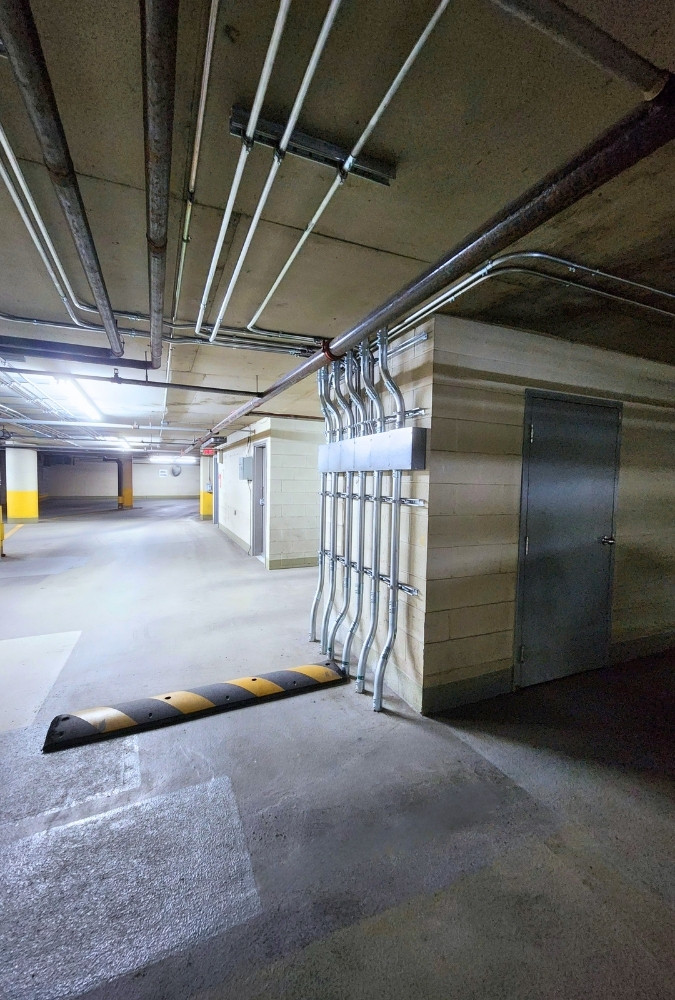
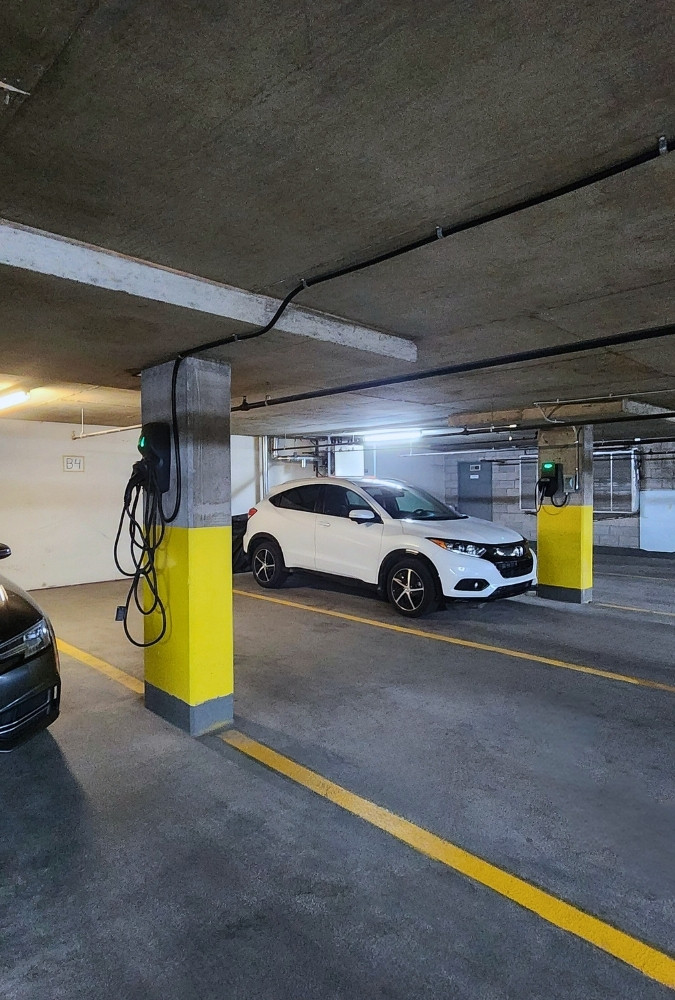
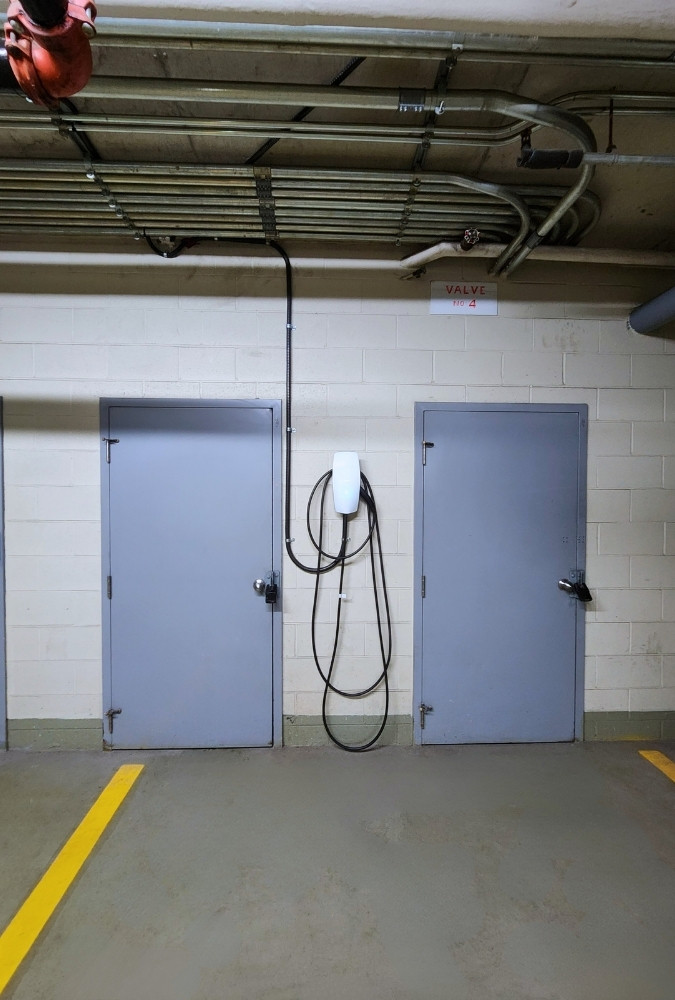
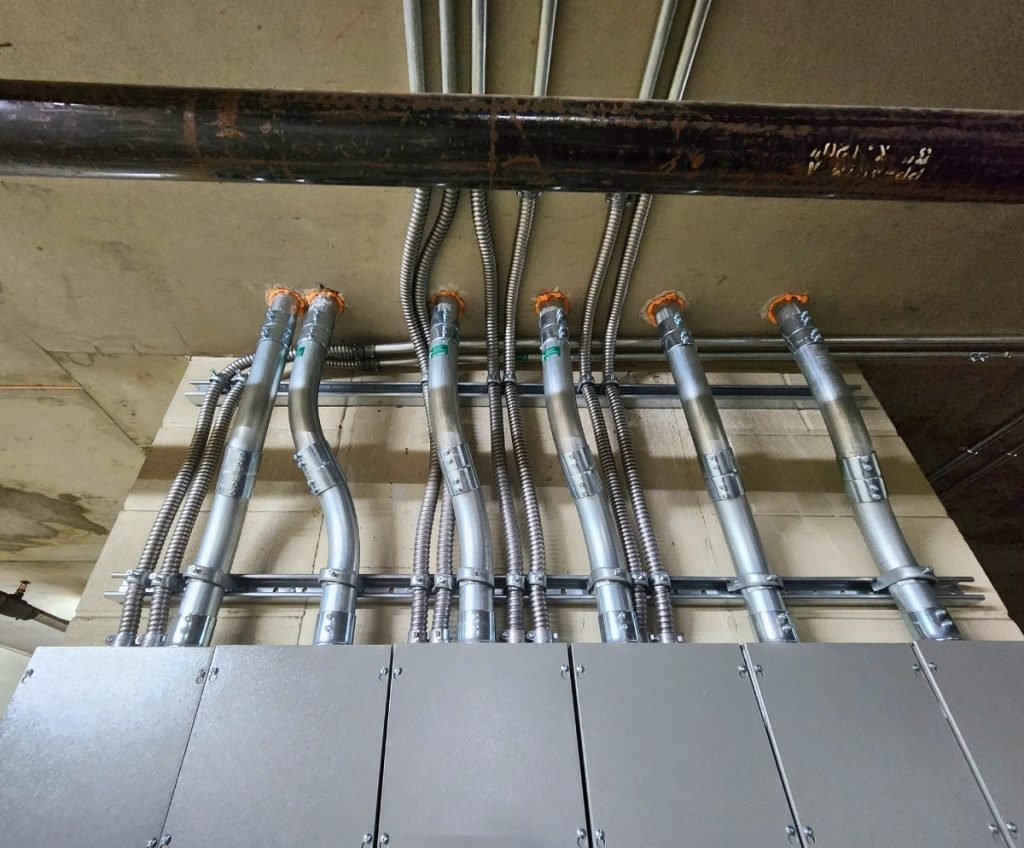
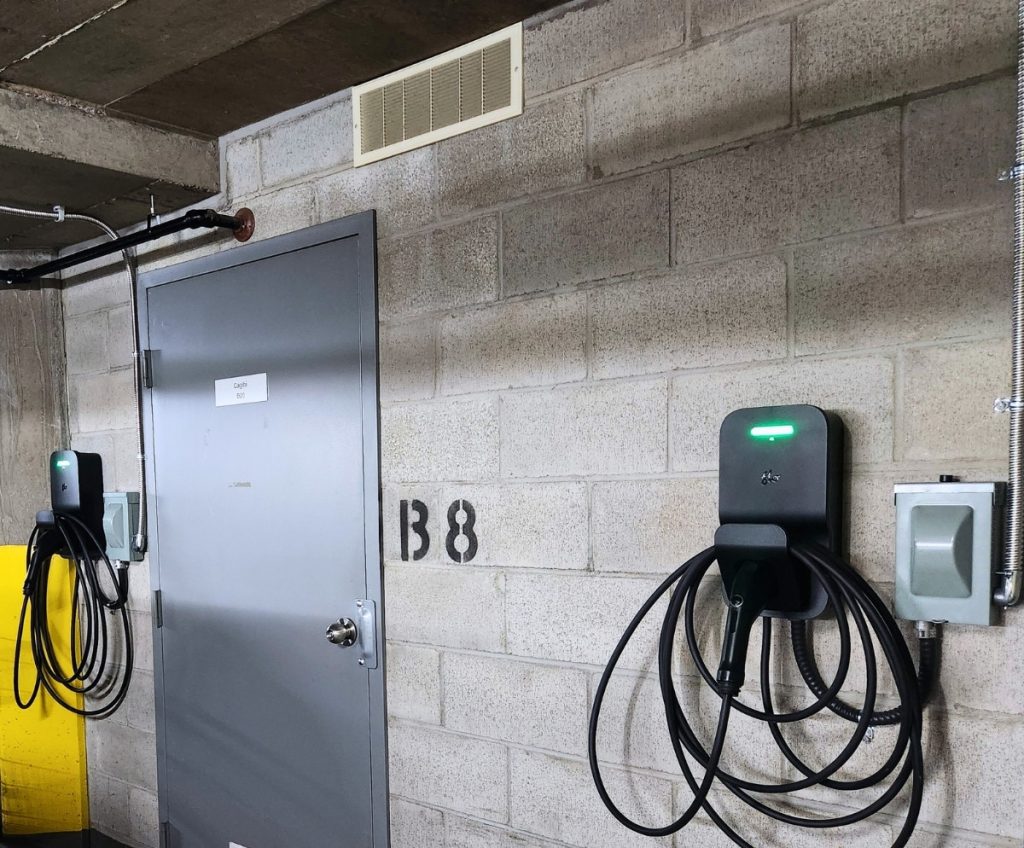
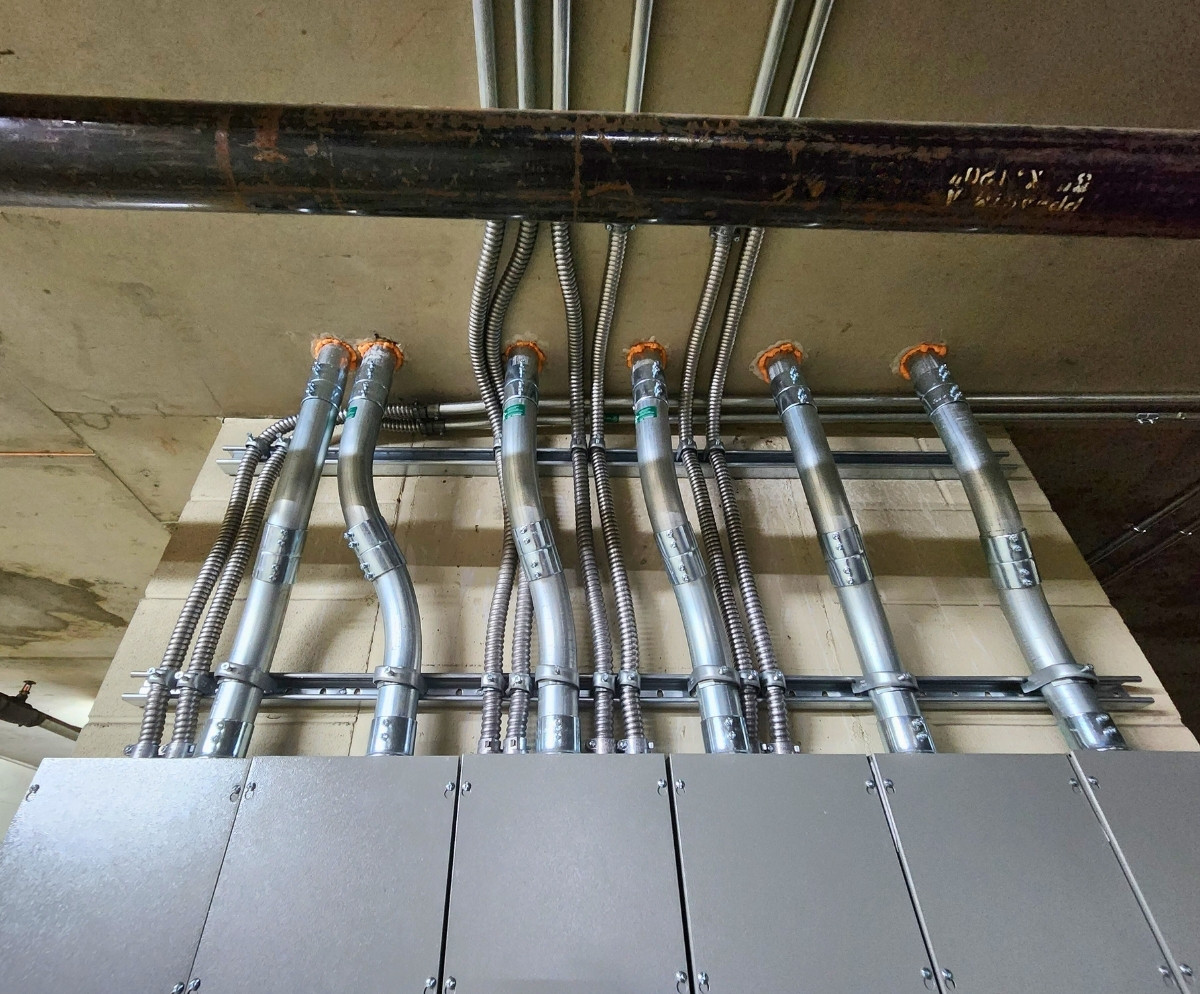
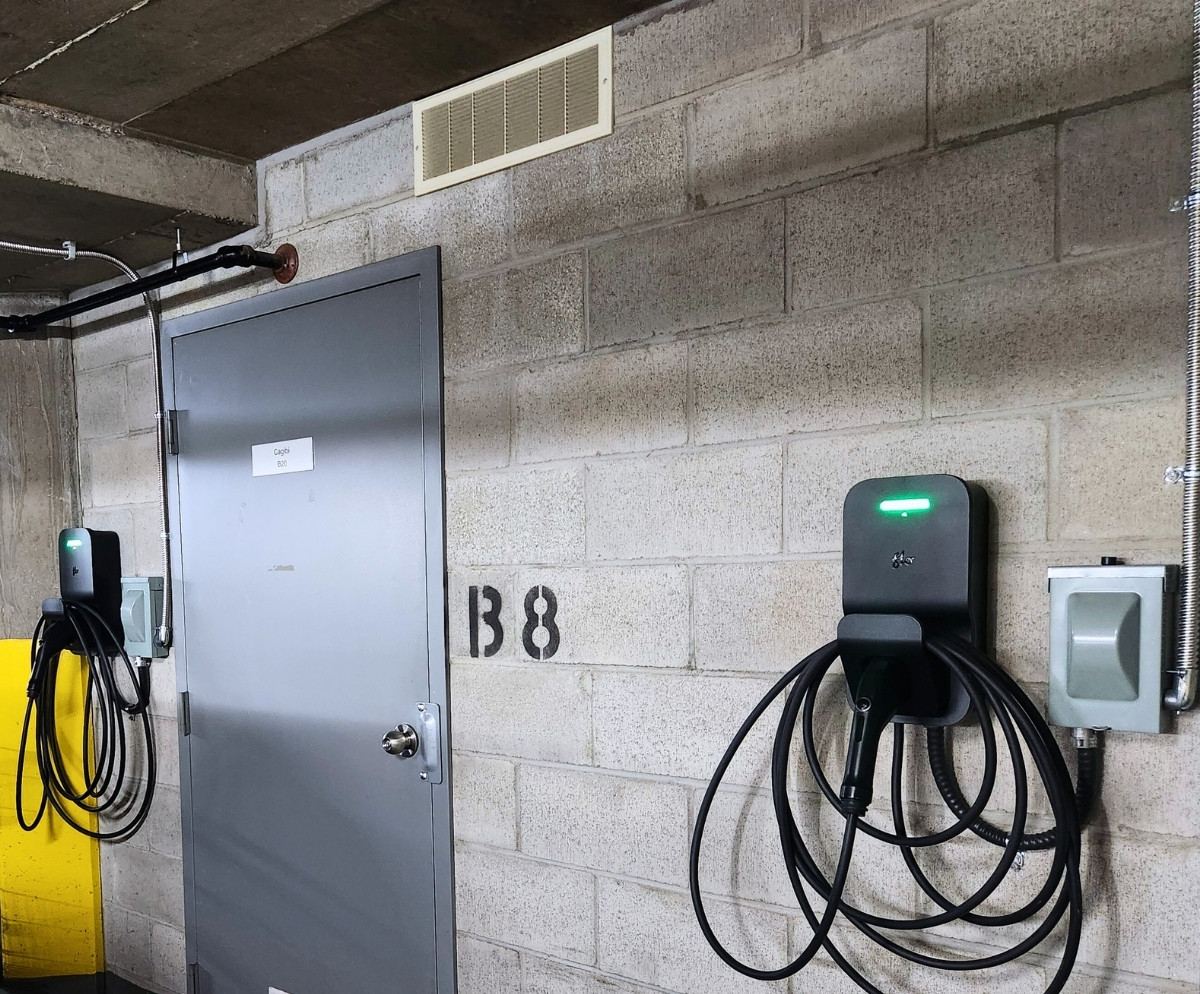
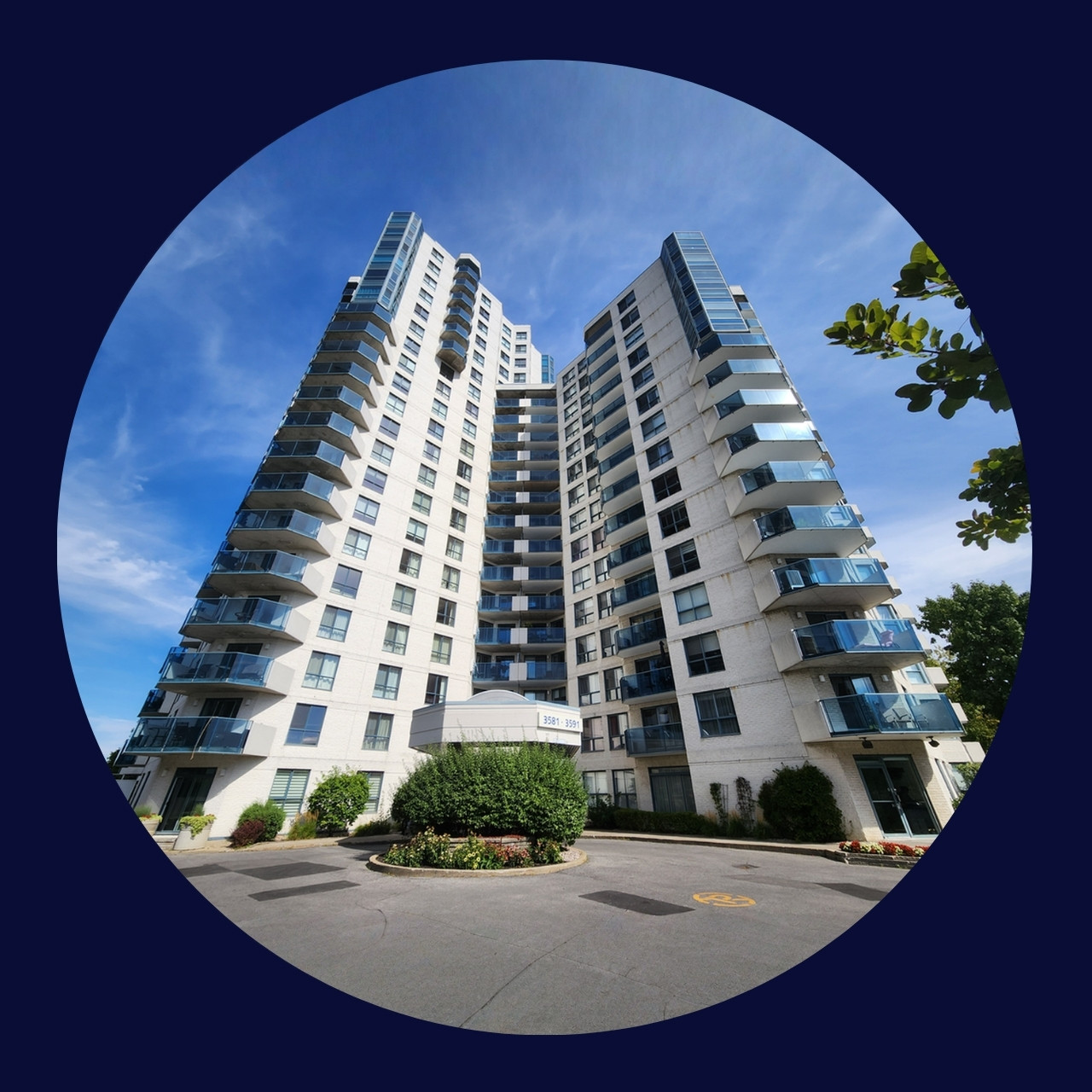
This two-phase condominium in Montreal is equipped with a HUB and with DCC+ technology, which allows current and future electric vehicle owners to charge their cars at home without risking damage to the electrical infrastructure. The project benefited from the expertise of the FFC Électrique team for the installation, which was completed in 2025.
Technical Specifications
Type of construction
existing building (retrofit)
Type of occupation
condo
Building size
101 to 200 units
Number of floors
11 to 20
Number of parking spaces
101 to 200
Location of electricity meters
accessible
Location of parking spaces
indoor, covered
Type of parking spaces
assigned
Products used


Challenge
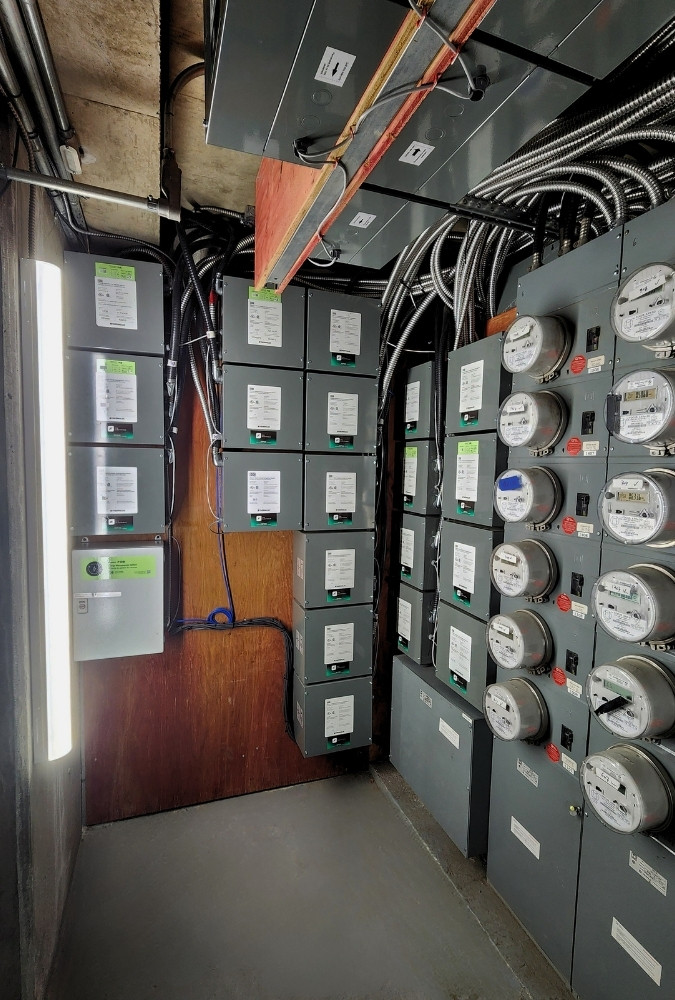
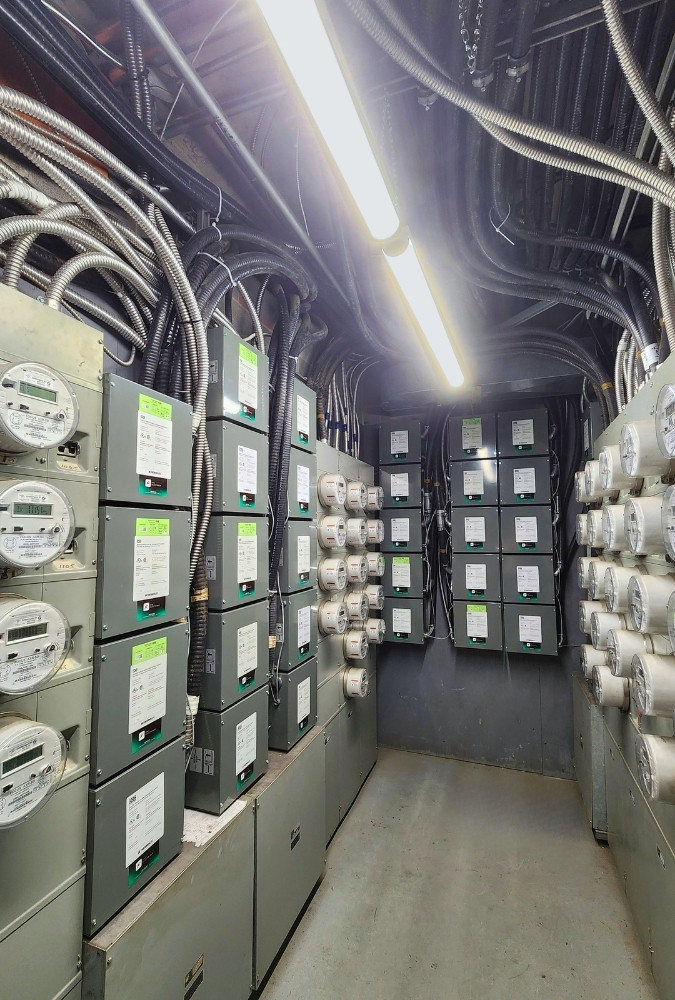
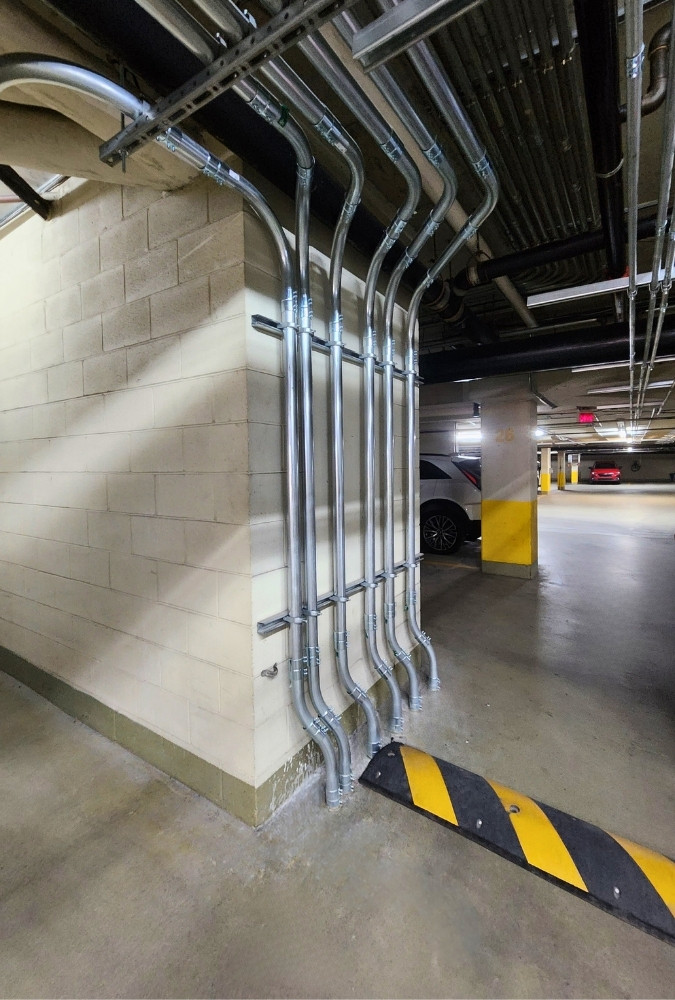
Powering an electric vehicle charging infrastructure in a multifamily building where the electric meters are located in the basement garage (accessible), without overloading the existing electrical infrastructure or having to upgrade it.
Solution
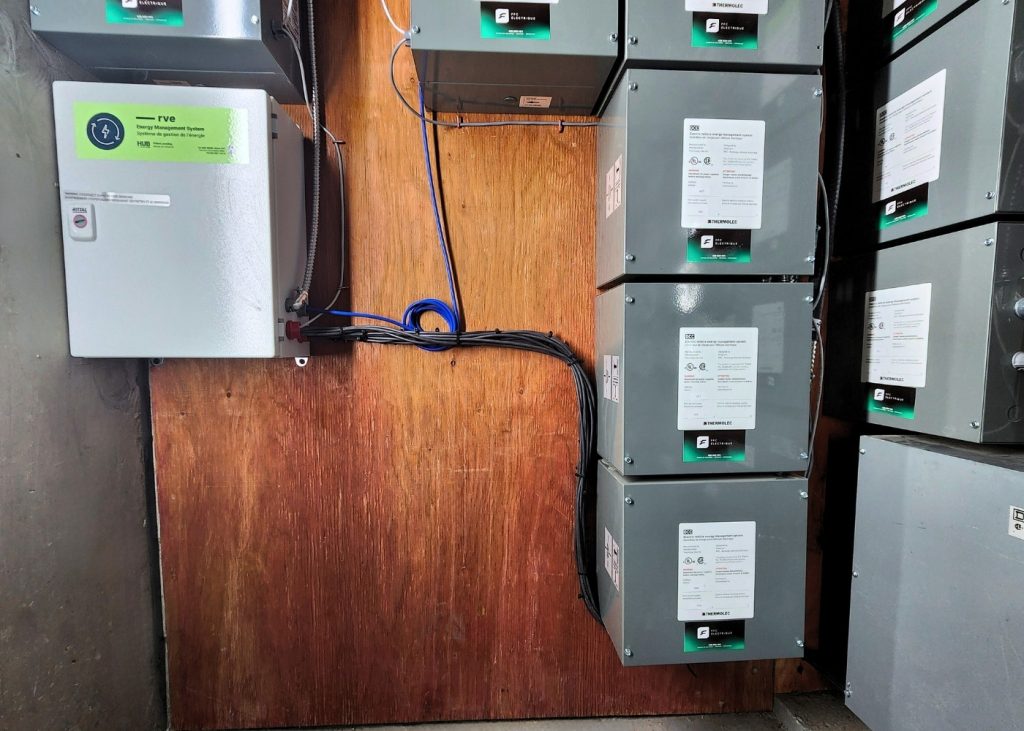
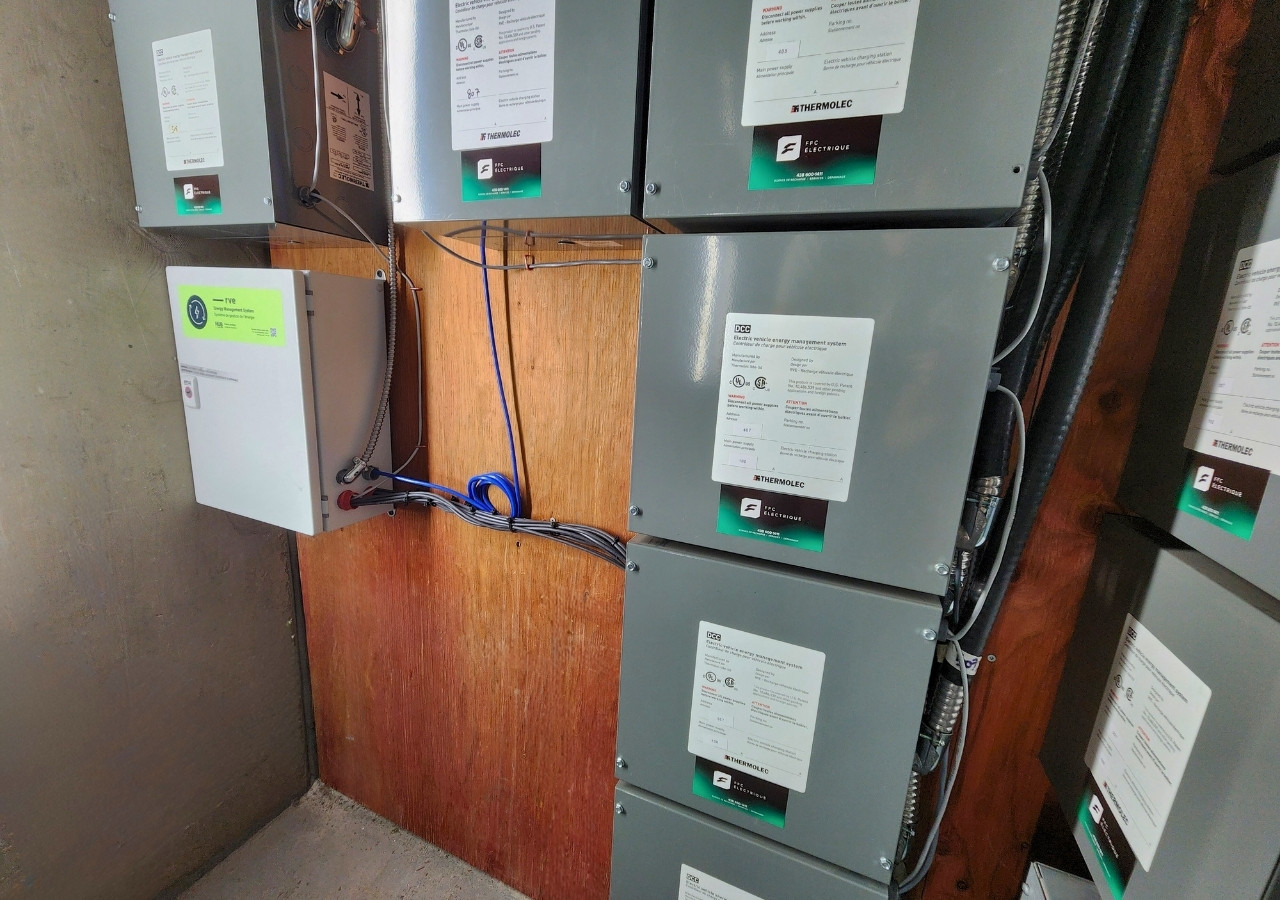
To power a charging infrastructure in this condominium while protecting the existing electrical infrastructure, the installer used RVE’s connected products: HUB and DCC+.
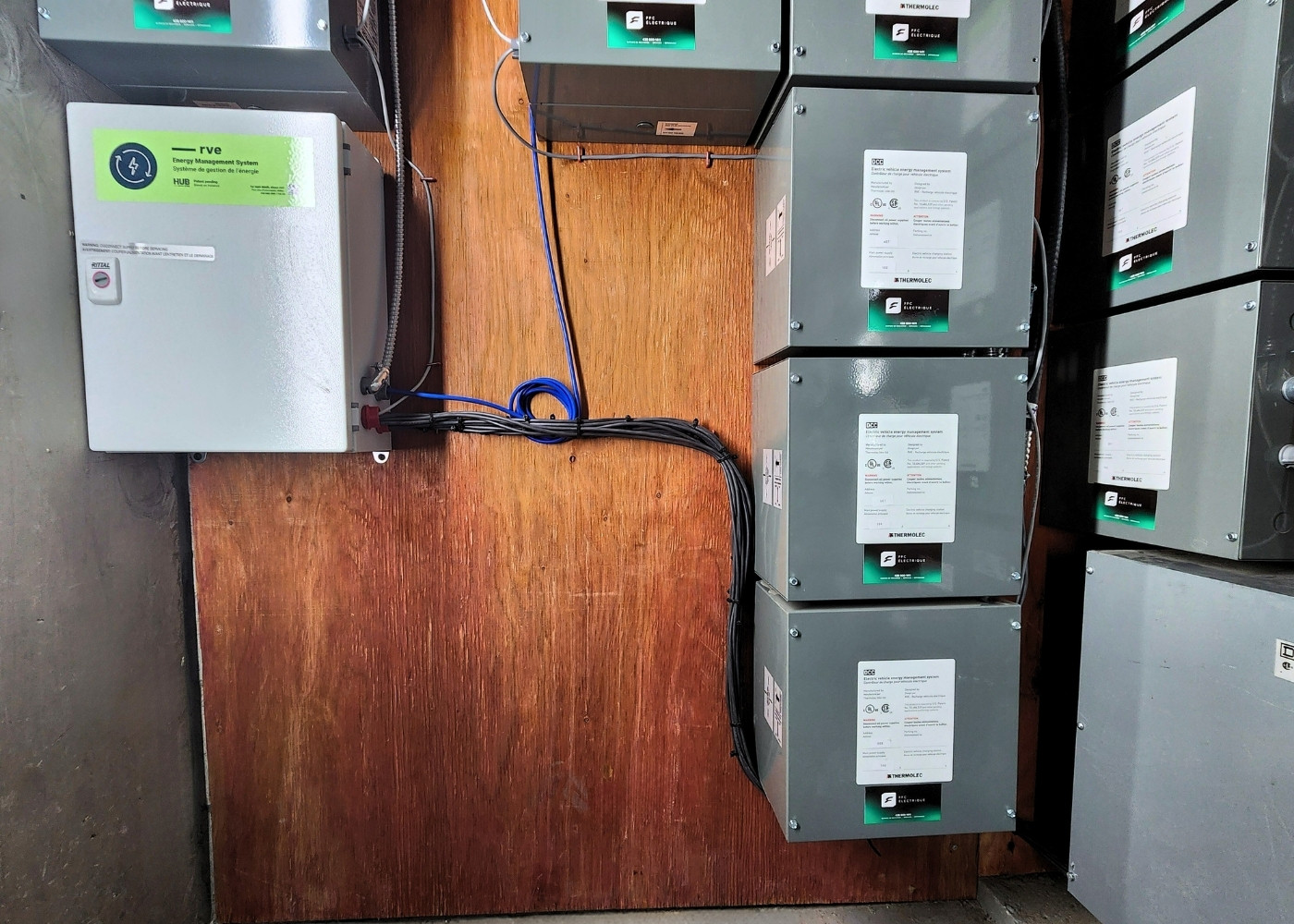
Installation of a HUB energy management system:
- Dynamic control of DCC+ based on charging demand and energy consumption.
- Phase balance adjustment to protect electrical equipment.
- Optimal energy allocation between multiple electric vehicles in a building for more efficient and equitable charging.
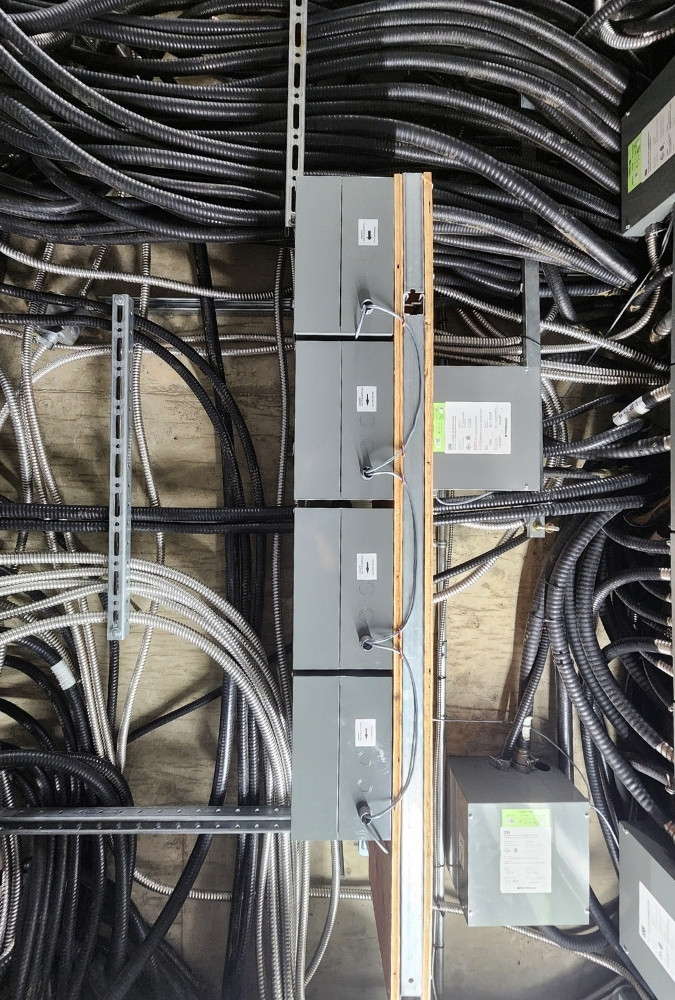
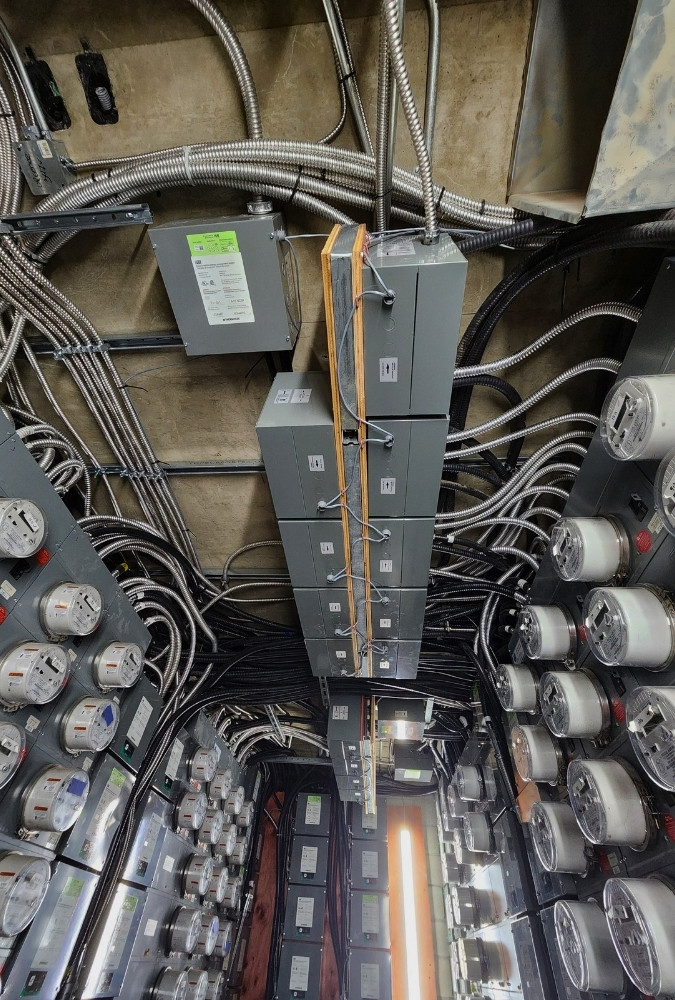
Installation of DCC+ and DCC-BOX charge controllers:
- DCC-9+ and DCC-9 for units with an electrical panel of 125A and less in need of a charging station right away
- DCC-9-BOX to provide charging infrastructure without installing chargers right away
Benefits of the RVE Solution:
- Electricity billed at the residential rate, avoiding any additional expenses related to a rate upgrade.
- Installed products requiring no management on the part of the building manager or condo association.
- Responsibility for the equipment transferred directly to the co-owners.
- Compatibility with 100% of charging stations, offering total flexibility for users.
- Multiple savings: minimized energy costs, no costly power demand penalties, no management/connection/transaction fees.
HUB
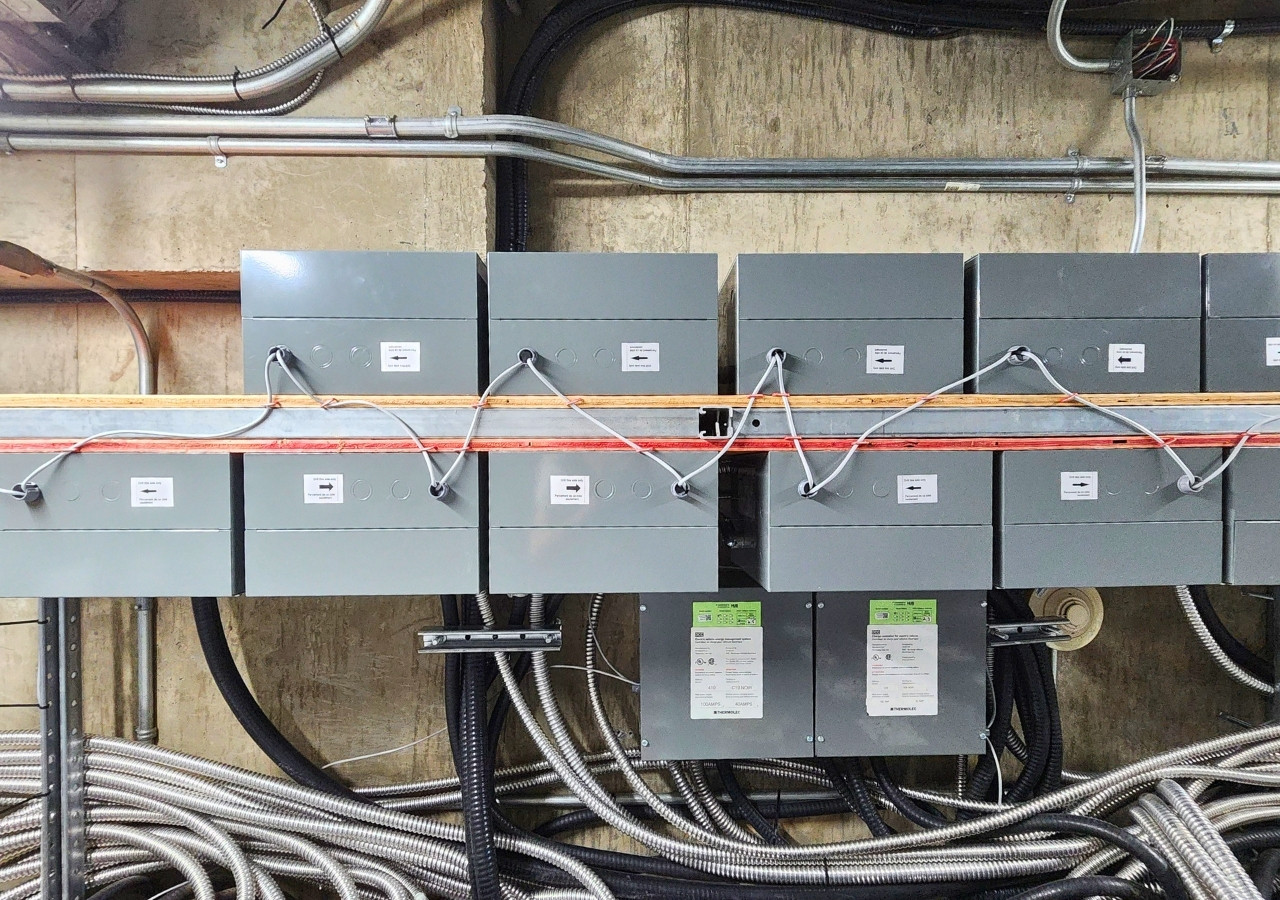
DCC-9+
Daisy chain connection between DCC-9+
DCC-9+
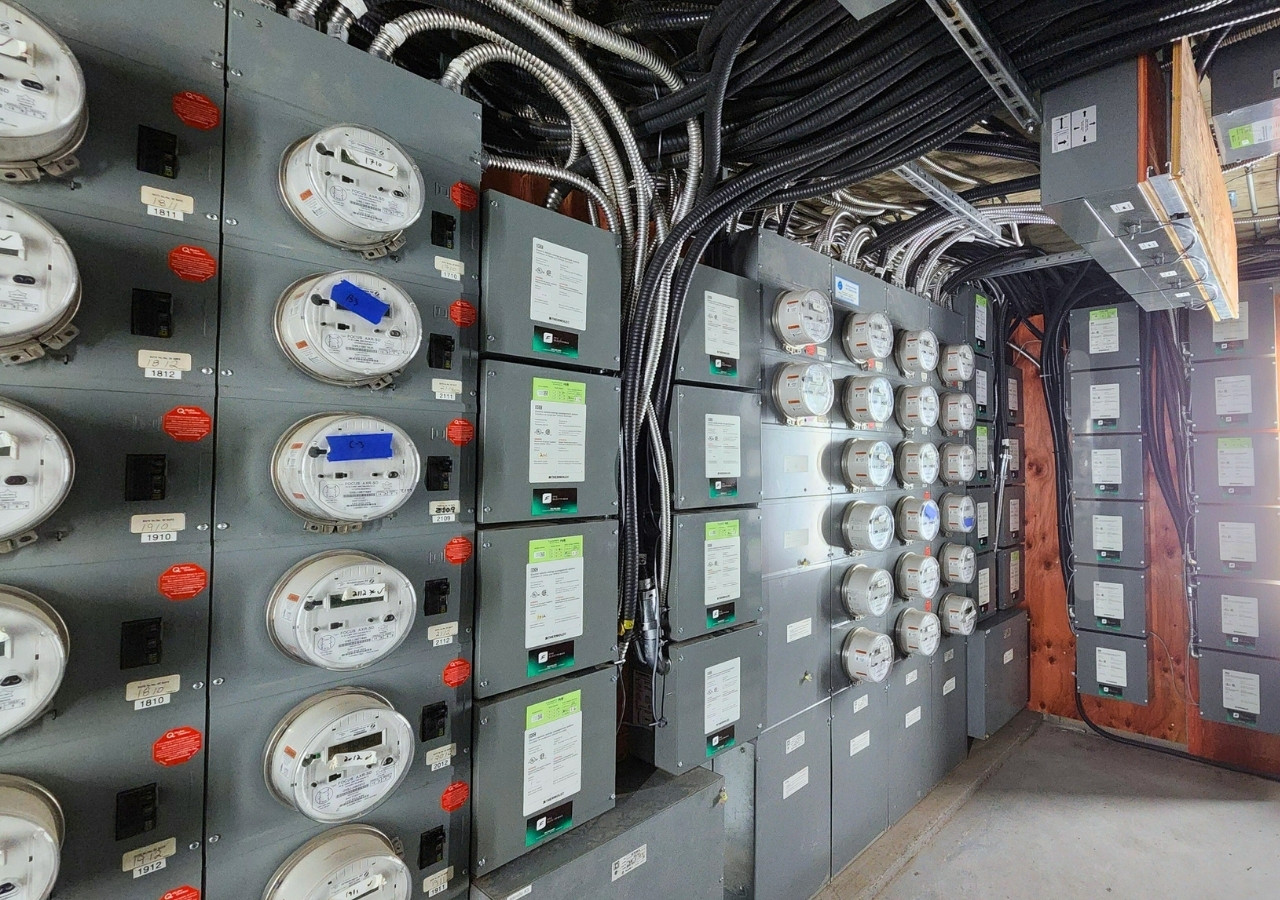
DCC-9+
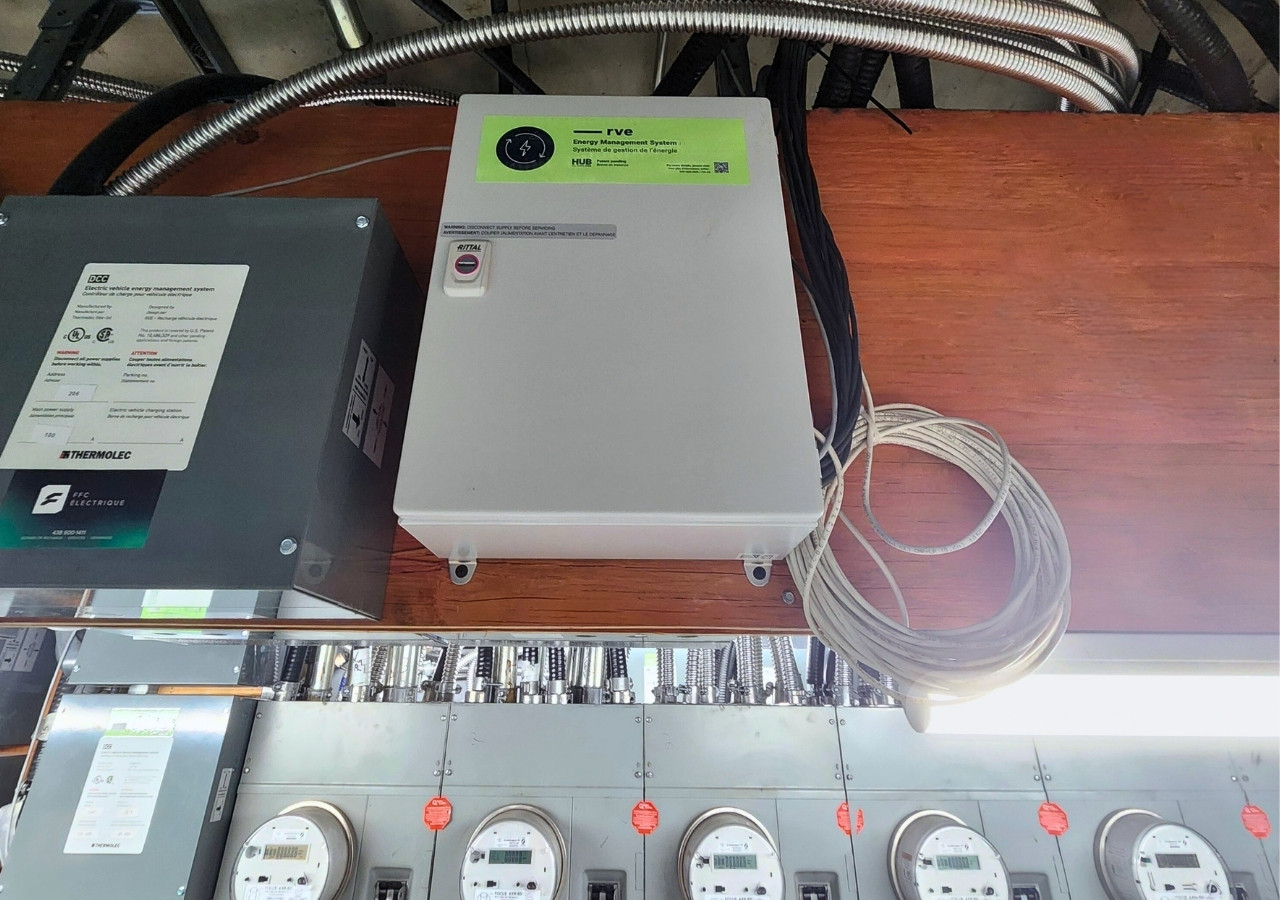
HUB